Tendinopathy (tendinitis)
Also called: Achilles tendinopathy, Tennis elbow, Rotator cuff tendinopathy
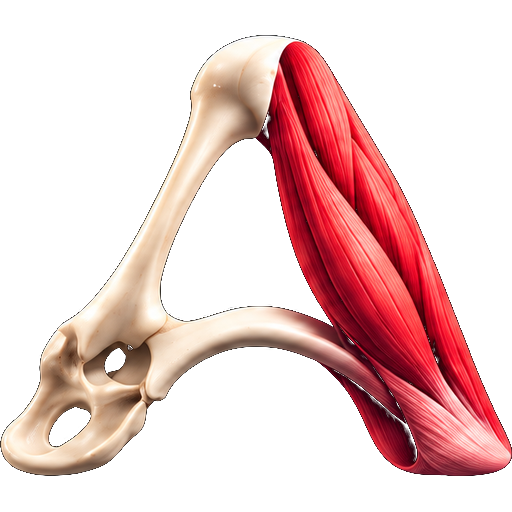
Tendons are flexible bands of tissue that connect muscles to bones. They help your muscles move your bones. Tendinitis is the severe swelling of a tendon.
Tendinitis usually happens after repeated injury to an area such as the wrist or ankle. It causes pain and soreness around a joint. Some common forms of tendinitis are named after the sports that increase their risk. They include tennis elbow, golfer's elbow, pitcher's shoulder, swimmer's shoulder, and jumper's knee.
Doctors diagnose tendinitis with your medical history, a physical exam, and imaging tests. The first step in treatment is to reduce pain and swelling. Rest, wrapping or elevating the affected area, and medicines can help. Ice is helpful for recent, severe injuries. Other treatments include ultrasound, physical therapy, steroid injections, and surgery.
Signs and symptoms
Symptoms include tenderness on palpation, swelling, and pain, often when exercising or with a specific movement.
Cause
Causes may include trauma or repetitive activities. Less common causes include infection, arthritis, gout, thyroid disease, and diabetes. Obesity, or more specifically, adiposity or fatness, is linked to increasing incidence of tendinopathy.
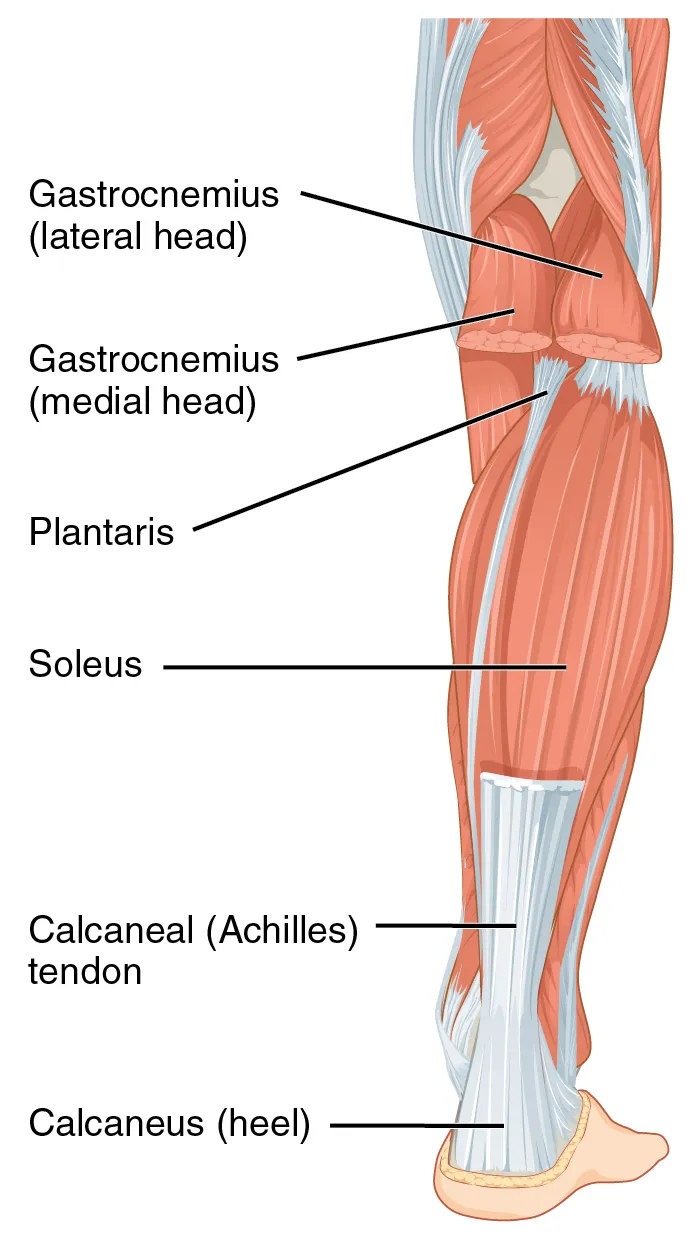
Quinolone antibiotics are associated with increased risk of tendinitis and tendon rupture. A 2013 review found the incidence of tendon injury among those taking fluoroquinolones to be between 0.08 and 0.2%. Fluoroquinolones most frequently affect large load-bearing tendons in the lower limb, especially the Achilles tendon.
Diagnosis
Symptoms can vary from aches or pains and local joint stiffness, to a burning that surrounds the whole joint around the inflamed tendon. In some cases, swelling occurs along with heat and redness, and there may be visible knots surrounding the joint. With this condition, the pain is usually worse during and after activity, and the tendon and joint area can become stiff the following day as muscles tighten from the movement of the tendon. Many patients report stressful situations in their life in correlation with the beginnings of pain which may contribute to the symptoms.
Medical imaging
Ultrasound imaging can be used to evaluate tissue strain, as well as other mechanical properties. Ultrasound-based techniques are becoming more popular because of its affordability, safety, and speed. Ultrasound can be used for imaging tissues, and the sound waves can also provide information about the mechanical state of the tissue.
Treatment
Treatment of tendon injuries is largely conservative. Use of non-steroidal anti-inflammatory drugs (NSAIDs), rest, and gradual return to exercise is a common therapy. A meta-analysis revealed that exercise using weights or a resistance band is more effective than using bodyweight alone. In addition, having rest days is more effective than exercising every day. Resting assists in the prevention of further damage to the tendon. Ice, compression and elevation are also frequently recommended. Physical therapy, occupational therapy, orthotics or braces may also be useful. Initial recovery is typically within two to three days and full recovery is within three to six months. Tendinosis occurs as the acute phase of healing has ended (six to eight weeks) but has left the area insufficiently healed. Treatment of tendinitis helps reduce some of the risks of developing tendinosis, which takes longer to heal.
There is tentative evidence that low-level laser therapy may also be beneficial in treating tendinopathy. The effects of deep transverse friction massage for treating tennis elbow and lateral knee tendinitis is unclear.
Exercise Therapy
Exercise based rehab is commonly used in the conservative management of tendinopathy. Strengthening exercises targeting the affected tendon, including eccentric, concentric, and isometric contractions, are frequently prescribed in clinical practice. Eccentric loading exercises, which involve muscle contraction while the muscle lengthens, are the most commonly used interventions for conditions such as patellar tendinopathy. A systematic review of randomized controlled trials involving individuals with chronic patellar tendinopathy found low- to very-low-quality evidence regarding the benefits of exercise compared with no treatment, glucocorticoid injections, or surgery. While exercise programs may reduce pain in some cases, studies have generally shown little or no difference in long-term function, pain outcomes, or return-to-sport rates when compared with other interventions.
NSAIDs
NSAIDs may be used to help with pain. They however do not alter long term outcomes. Other types of pain medication, like paracetamol (acetaminophen), may be just as useful.
Steroids
Steroid injections have not been shown to have long term benefits for tendonitis, but appear to improve pain and function in the short term more effectively than other treatments except NSAIDs. They appear to have little benefit in tendinitis of the rotator cuff. There are some concerns that they may have negative effects.
Other injections
There is insufficient evidence on the routine use of injection therapies (autologous blood, platelet-rich plasma, deproteinised haemodialysate, aprotinin, polysulphated glycosaminoglycan, skin derived fibroblasts etc.) for treating Achilles tendinopathy. As of 2014 there was insufficient evidence to support the use of platelet-rich therapies for treating musculoskeletal soft tissue injuries such as ligament, muscle and tendon tears and tendinopathies.
Prognosis
Initial recovery from overuse tendinosis is usually within two to three months, and 80% will recover fully within three to six months.
Epidemiology
Tendon injury and resulting tendinopathy are responsible for up to 30% of consultations to sports doctors and other musculoskeletal health providers. Tendinopathy is most often seen in tendons of athletes either before or after an injury but is becoming more common in non-athletes and sedentary populations. For example, the majority of patients with Achilles tendinopathy in a general population-based study did not associate their condition with a sporting activity. In another study the population incidence of Achilles tendinopathy increased sixfold from 1979–1986 to 1987–1994. The incidence of rotator cuff tendinopathy ranges from 0.3% to 5.5% and annual prevalence from 0.5% to 7.4%.
Source: Wikipedia, The Free Encyclopedia · CC BY-SA 4.0
References
- Tendinitis — MedlinePlus, U.S. National Library of MedicineSource: MedlinePlus, National Library of Medicine Public domain (U.S. government work). Retrieved 2026-10-19.
- Tendinopathy — Wikipedia, The Free EncyclopediaText from the Wikipedia article "Tendinopathy" (CC BY-SA 4.0); excerpted. Licence. Retrieved 2026-10-19. Revision used.
Text above is quoted from the listed sources without changes to its meaning. Image credits and licences are shown with each image. Educational information only, not medical advice.
Related conditions
Educational overview, not medical advice. Treatment varies by person and location. Consult a qualified health professional for diagnosis or care. Content and model notes · Privacy information