Type 1 diabetes
Also called: T1DM, Juvenile diabetes, Insulin-dependent diabetes
What is type 1 diabetes?
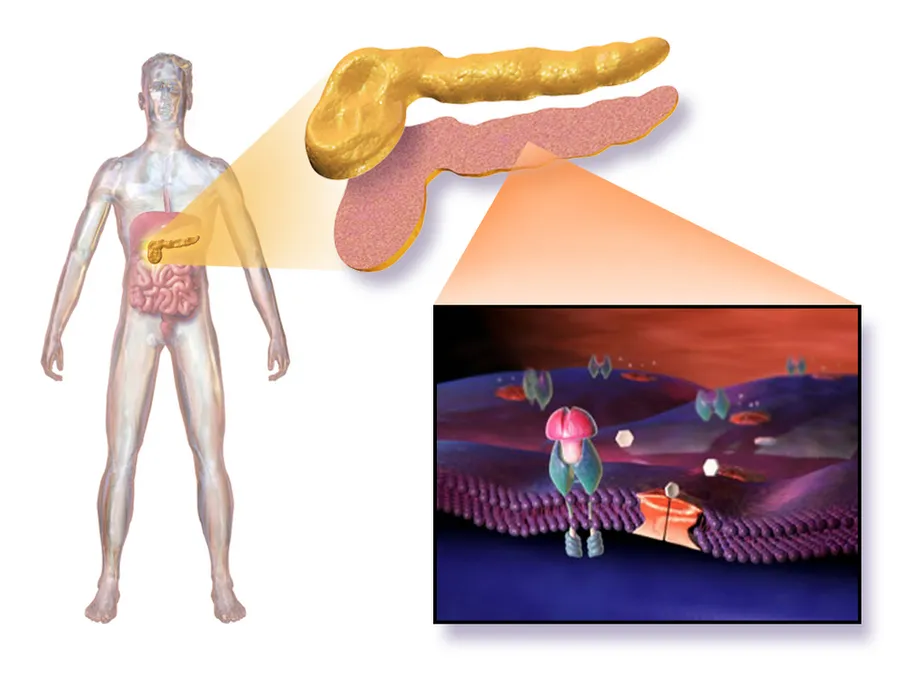
Diabetes means your blood glucose, also called blood sugar, is too high. With type 1 diabetes, your body makes little or no insulin. Insulin is a hormone from your pancreas that helps glucose move from your body into your cells, where it is used for energy. Your body can make glucose, but it also comes from the food you eat. Without insulin, too much glucose stays in your blood.
Over time, high blood glucose can lead to serious problems with your heart, eyes, kidneys, nerves, gums, and teeth.
If your blood glucose gets very high, you can develop diabetic ketoacidosis (DKA). It happens when your body doesn't have enough insulin to allow glucose into your cells. Instead, your liver breaks down fat for energy, which produces ketones. When ketones build up too quickly, they can reach dangerous levels. DKA is a life-threatening emergency.
What causes type 1 diabetes?
Type 1 diabetes is an autoimmune disease. Your immune system mistakenly attacks the cells in your pancreas that make insulin. Researchers don't yet know exactly why this happens. Genes and environmental factors may play a role in triggering the disease.
Who is more likely to develop type 1 diabetes?
Type 1 diabetes often begins in children and young adults, but it can appear at any age. Having a parent or sibling with type 1 diabetes may increase your chance of developing it.
What are the symptoms of type 1 diabetes?
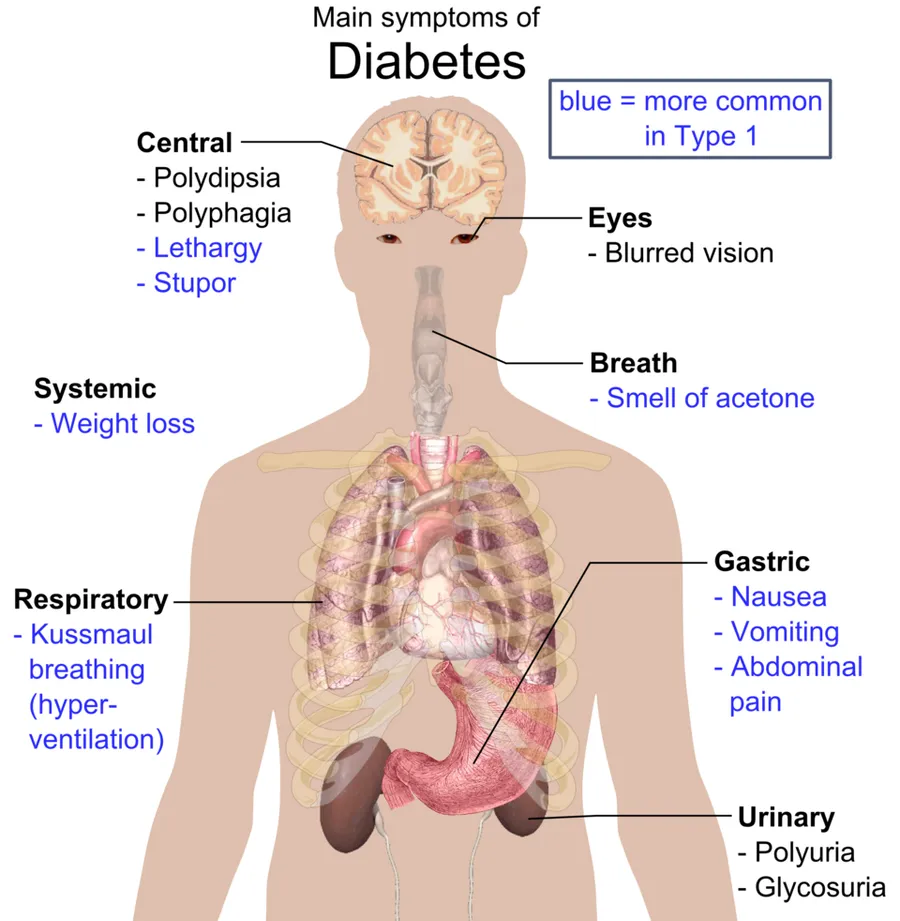
Symptoms often start quickly, especially in children. In adults, they may develop more slowly. Symptoms may include:
- Feeling very thirsty
- Feeling very hungry
- Urinating (peeing) more often, including at night
- Having fatigue
- Having blurry vision
- Losing feeling in your feet, or having tingling in your feet or hands
- Having sores that don't heal
- Losing weight without trying
How is type 1 diabetes diagnosed?
Blood tests that measure your blood glucose level can show whether it is higher than normal for you.
What are the treatments for type 1 diabetes?
Type 1 diabetes is a chronic (long-term) condition. You will need daily insulin, either through injections or an insulin pump. Some people also take another diabetes medicine that works with insulin.
Ask your health care provider about the best way to check your blood glucose level and how often you should check it.
Can type 1 diabetes be prevented?
Type 1 diabetes can't be prevented. But you may be able to prevent or delay health problems related to diabetes by:
- Managing your blood glucose level with finger prick tests or a continuous glucose monitor (CGM)
- Making healthy food choices
- Getting regular exercise
A blood test called the A1C can show how well you are managing your diabetes over time.
NIH: National Institute of Diabetes and Digestive and Kidney Diseases
Signs and symptoms
Type 1 diabetes can develop at any age, with a peak in onset during childhood and adolescence. Adult onsets on the other hand are often initially misdiagnosed as having type 2. The major sign of type 1 diabetes include high blood sugar, which typically manifests in children as a few days to weeks of polyuria (increased urination), polydipsia (increased thirst), and weight loss after being exposed to a triggering factor including infections, strenuous exercise, or dehydration. Children may also experience increased appetite, blurred vision, bedwetting, recurrent skin infections, candidiasis of the perineum, irritability, and reduced mental acumen. Adults with type 1 diabetes tend to have more varied symptoms, which come on over months, rather than days or weeks.
Prolonged lack of insulin can cause diabetic ketoacidosis, the signs of which include fruity breath odor, mental confusion, persistent fatigue, dry or flushed skin, abdominal pain, nausea or vomiting, and labored breathing. Blood and urine tests reveal high glucose and ketones. Untreated ketoacidosis can rapidly progress to loss of consciousness, coma, and death. The percentage of children whose type 1 diabetes begins with an episode of diabetic ketoacidosis varies widely by geography, as low as 15% in parts of Europe and North America, and as high as 80% in the developing world.
Causes
Type 1 diabetes is caused by the destruction of β-cells—the only cells in the body that produce insulin—and the consequent progressive insulin deficiency. Without insulin, the body cannot respond effectively to increases in blood sugar. Due to this, people with untreated diabetes have persistent hyperglycemia. In 70–90% of cases, β-cells are destroyed by one's own immune system, for reasons that are not entirely clear. The best-studied components of this autoimmune response are β-cell-targeted autoantibodies that begin to develop in the months or years before symptoms arise. Typically, antibodies against insulin or the protein GAD65,are the first to develop, followed by antibodies against the proteins IA-2, IA-2β, and/or ZNT8. People with a higher level of these antibodies, especially those who develop them earlier in life, are at higher risk for developing symptomatic type 1 diabetes. The trigger for the development of these antibodies remains unclear. Several explanatory theories have been put forward, and the cause may involve genetic susceptibility, a diabetogenic trigger, and/or exposure to an antigen. The remaining 10–30% of patients with type 1 diabetes have β-cell destruction but no sign of autoimmunity; this is called idiopathic type 1 diabetes (its cause is unknown).
Environmental
Various environmental risks have been studied in an attempt to understand what triggers β-cell destroying autoimmunity. Many aspects of environment and life history are associated with slight increases in type 1 diabetes risk; however, the connection between each risk and diabetes often remains unclear. Type 1 diabetes risk is slightly higher for children whose mothers are obese or older than 35, or for children born by caesarean section. Similarly, a child's weight gain in the first year of life, total weight, and BMI are associated with slightly increased type 1 diabetes risk. Dietary sugar intake was not related to the initial development of islet autoimmunity but was associated with the progression to type 1 diabetes. Animal studies and some large human studies have found small associations between type 1 diabetes risk and intake of gluten or dietary fiber; however, other large human studies have found no such association. Many potential environmental triggers have been investigated in large human studies and found to be unassociated with type 1 diabetes risk including duration of breastfeeding, time of introduction of cow milk into the diet, vitamin D consumption, blood levels of active vitamin D, and maternal intake of omega-3 fatty acids.
A longstanding hypothesis is that certain viral infections may contribute to the development of type 1 diabetes. Much of this work has focused on enteroviruses, with Coxsackievirus B most strongly associated with islet autoimmunity and the onset of type 1 diabetes. Other viruses have been implicated in its etiology, including cytomegalovirus, rubella virus, rotavirus, mumps virus, and SARS-CoV-2. Maternal infection during pregnancy has been associated with the development type 1 diabetes in the offspring; these studies implicated maternal infections with enteroviruses, cytomegalovirus and rubella virus.
Genetics
Type 1 diabetes is partially caused by genetics, and family members of type 1 diabetics have a higher risk of developing the disease themselves. In the general population, the risk of developing type 1 diabetes is around 1 in 250. For someone whose parent has type 1 diabetes, the risk rises to 1–9%. If a sibling has type 1 diabetes, the risk is 6–7%. If someone's identical twin has type 1 diabetes, they have a 30–70% risk of developing it themselves.
About half of the disease's heritability is due to variations in three HLA class II genes involved in antigen presentation: HLA-DRB1, HLA-DQA1, and HLA-DQB1. The variation patterns associated with increased risk of type 1 diabetes are called HLA-DR3 and HLA-DR4-HLA-DQ8, and are common in people of European descent. A pattern associated with reduced risk of type 1 diabetes is called HLA-DR15-HLA-DQ6. Large genome-wide association studies have identified dozens of other genes associated with type 1 diabetes risk, mostly genes involved in the immune system.
Drugs that induce a type 1 diabetes like syndrome
Some medicines can reduce insulin production or damage β cells, resulting in a disease that resembles type 1 diabetes. The antiviral drug didanosine triggers pancreas inflammation in 5 to 10% of those who take it, sometimes causing lasting β-cell damage. Similarly, up to 5% of those who take the anti-protozoal drug pentamidine experience β-cell destruction and diabetes. Several other drugs cause diabetes by reversibly reducing insulin secretion, namely statins (which may also damage β cells), the post-transplant immunosuppressants cyclosporin A and tacrolimus, the leukemia drug L-asparaginase, and the antibiotic gatifloxicin.
Post-operative changes
One cause of Type 1 diabetes is through surgery. This is due to the destruction or intentional removal of a portion of or the entire pancreas. This decreases the number of beta-islet cells capable of producing insulin greatly, resulting in an acquired form of Type 1 diabetes known as pancreatogenic diabetes mellitus. This type of diabetes is most often seen in patients that undergo a pancreatoduodenectomy (a.k.a. Whipple procedure) or a total pancreatectomy.
Patients who undergo a total pancreatectomy are medically recognized as having type 3c diabetes. This nomenclature informs medical professionals that the patient has no insulin production and requires extensive monitoring to avoid severe hyperglycemia or hypoglycemia. Hypoglycemia is significantly more worrying in these patients due to the potential for coma and even death, as hyperglycemia causes more subtle damage over a longer period of time and only affects consciousness at severe levels. Following these surgeries, patients may have reduced levels of insulin; they may also have reduced levels of glucagon, a hormone that raises blood sugar. Many of these patients require an insulin pump that constantly injects insulin to reduce their sugar levels.
Diagnosis
Diabetes of any type is typically diagnosed by a blood test showing unusually high blood sugar. The World Health Organization defines diabetes as blood sugar levels at or above 7.0 mmol/L (126 mg/dL) after fasting for at least eight hours, or a glucose level at or above 11.1 mmol/L (200 mg/dL) two hours after an oral glucose tolerance test. The American Diabetes Association additionally recommends a diagnosis of diabetes for anyone with symptoms of hyperglycemia and blood sugar at any time at or above 11.1 mmol/L, or glycated hemoglobin (hemoglobin A1C) levels at or above 48 mmol/mol (6.5%).
Once a diagnosis of diabetes is established, type 1 diabetes is distinguished from other types by a blood test for the presence of autoantibodies that target various components of the beta cell. The most commonly available tests detect antibodies against glutamic acid decarboxylase, the beta cell cytoplasm, or insulin, each of which is targeted by antibodies in around 80% of type 1 diabetics. Some healthcare providers also have access to tests for antibodies targeting the beta cell proteins IA-2 and ZnT8; these antibodies are present in around 58% and 80% of people with type 1 diabetes, respectively. Some also test for C-peptide, a byproduct of insulin synthesis. Very low C-peptide levels are suggestive of type 1 diabetes.
The median age of type 1 diabetes diagnosis in the United States is 24 years of age.
Management
The mainstay of type 1 diabetes treatment is the regular injection of insulin to manage hyperglycemia. Subcutaneous injection using either a syringe multiple times a day, or with a continuous infusion insulin pump are necessary, adjusting dosages to account for food intake, blood glucose levels, and physical activity. The goal of treatment is to maintain blood sugar in a normal range—80–130 mg/dL (4.4–7.2 mmol/L) before a meal; <180 mg/dL (10.0 mmol/L) after—as often as possible. To achieve this, people with type 1 diabetes monitor their blood glucose levels at home. Around 83% of type 1 diabetics monitor their blood glucose by capillary blood testing: pricking the finger to draw a drop of blood, and determining blood glucose with a glucose meter. The American Diabetes Association recommends testing blood glucose around 6–10 times per day: before each meal, before exercise, at bedtime, occasionally after a meal, and any time someone feels the symptoms of hypoglycemia. 82% of people under 18 years old and 53% of those over 18 with type 1 diabetes use a continuous glucose monitor, a device with a filament under the skin that constantly measures glucose levels and communicates those levels to an external device as of 2025. Continuous glucose monitoring is associated with better blood sugar control than finger stick capillary blood testing alone; however, continuous glucose monitoring is much more expensive. Healthcare providers can also monitor someone's hemoglobin A1C levels, which reflect the average blood sugar over the last three months. The American Diabetes Association recommends a goal of keeping hemoglobin A1C levels under 7% for most adults and 7.5% for children.
The goal of insulin therapy is to mimic normal pancreatic insulin secretion: low levels of insulin are constantly present to support basic metabolism, plus the two-phase secretion of additional insulin in response to high blood sugar, then an extended phase of continued insulin secretion. This is accomplished by combining different insulin preparations that act with differing speeds and durations. The standard of care for type 1 diabetes is a bolus of rapid-acting insulin 10–15 minutes before each meal or snack, and as-needed to correct hyperglycemia. In addition, constant low levels of insulin are achieved with one or two daily doses of long-acting insulin, or by steady infusion by an insulin pump. The exact dose of insulin appropriate for each injection depends on the content of the meal/snack, and the person's sensitivity to insulin, and is therefore typically calculated by the individual with diabetes or a family member by hand or assistive device (calculator, chart, mobile app, etc.). People who cannot manage these intensive insulin regimens are sometimes prescribed alternate plans relying on mixtures of rapid- or short-acting and intermediate-acting insulin, which are administered at fixed times along with meals of pre-planned times and carbohydrate composition. The National Institute for Health and Care Excellence now recommends closed-loop insulin systems as an option for all women with type 1 diabetes who are pregnant or planning pregnancy.
A non-insulin medication approved by the U.S. Food and Drug Administration for treating type 1 diabetes is the amylin analog pramlintide, which replaces the beta-cell hormone amylin. The addition of pramlintide to mealtime insulin injections reduces the boost in blood sugar after a meal, improving blood sugar control. Occasionally, metformin, GLP-1 receptor agonists, dipeptidyl peptidase-4 inhibitors, or SGLT2 inhibitor are prescribed off-label to people with type 1 diabetes. Fewer than 5% of people with type 1 diabetes use these drugs.
Lifestyle
Besides insulin, the other ways type 1 diabetics control their blood sugar is by learning how various foods and exercise impact their blood sugar levels. This is primarily done by tracking their intake of carbohydrates, the type of food with the greatest impact on blood sugar. In general, people with type 1 diabetes are advised to follow an individualized eating plan rather than a pre-decided one. There are camps for children to teach them how and when to use or monitor their insulin without parental help. As psychological stress may have a negative effect on diabetes, a number of measures have been recommended including: exercising, taking up a new hobby, or joining a charity, among others.
Regular exercise is crucial for maintaining overall health, though the effect of exercise on blood sugar can be challenging to predict. Exogenous insulin can drive down blood sugar, leaving those with diabetes at risk of hypoglycemia during and immediately after exercise, then again seven to eleven hours after exercise (called the "lag effect"). Conversely, high-intensity interval exercise (HIIT) can result in a shortage of insulin, and consequent hyperglycemia. The risk of hypoglycemia can be managed by beginning exercise when blood sugar is relatively high (above 100 mg/dL or 5.5 mmol/L), ingesting carbohydrates during or shortly after exercise, and reducing the amount of injected insulin within two hours of the planned exercise. Similarly, the risk of exercise-induced hyperglycemia can be managed by avoiding exercise when insulin levels are very low, when blood sugar is extremely high (above 350 mg/dL or 19.4 mmol/L), or when one feels unwell.
When focusing on the type of exercise, the first two studies explicitly focus on the role of exercise in managing diabetes, with the first study exploring the benefits of HIIT for psychological and physical health in T1DM and the second focusing on the effectiveness of exercise in T2DM. The third study, however, discusses the implications of diabetes misdiagnosis, which indirectly relates to exercise by stressing the importance of managing diabetes properly before engaging in physical activity. For the impacts that exercise has, the first and second studies highlight exercise as a beneficial tool for managing diabetes, but they present different outcomes. In T2DM, exercise is shown to be a powerful tool for improving glycemic control and reducing cardiovascular risk. In T1DM, while exercise can improve lipid profiles and other aspects of health, it doesn't necessarily lead to better blood sugar control, and there are additional barriers, such as fear of hypoglycemia. The first study, however, finds that HIIT can still be effective in improving psychological well-being and exercise adherence for T1DM, showing that exercise has a broader benefit beyond just metabolic control. All three studies provide insight into the barriers to exercise in diabetes. The first study mentions fear of hypoglycemia and low motivation as challenges for T1DM, while the second reinforces the issue of blood sugar fluctuations and the unpredictability of exercise for those with T1DM. The third study is more focused on the broader implications of misdiagnosis, but it implies that exercise could be counterproductive or harmful if a child's diabetes is misdiagnosed. When looking at other factors such as psychological and motivational, the first study places a strong emphasis on psychological factors like exercise enjoyment and intrinsic motivation, suggesting that overcoming psychological barriers is key to exercise adherence in T1DM. In contrast, the second study is more focused on the physical and metabolic effects of exercise, with less emphasis on motivation or enjoyment, although it does briefly mention that many individuals with T1DM are still motivated to exercise by the health benefits or inspiration from others. Clinical implications show the first two studies focus on the effectiveness of exercise for specific diabetes types, while the third study highlights the importance of correct diagnosis for appropriate care. This suggests that exercise programs must be tailored not only to the type of diabetes but also to the individual's health status and management plan. The third study emphasizes that without proper diagnosis and management, exercise recommendations could be inappropriate or unsafe. In summary, while the first two studies explore the benefits and challenges of exercise in different diabetes types, the third study stresses the importance of accurate diagnosis and management before engaging in physical activity. Together, these studies highlight the complex interactions between exercise, diabetes type, treatment, and individual challenges.
Transplant
In some cases, people can receive transplants of the pancreas or isolated islet cells to restore insulin production and alleviate diabetic symptoms. Transplantation of the whole pancreas is rare, due in part to the few available donor organs, and to the need for lifelong immunosuppressive therapy to prevent transplant rejection. The American Diabetes Association recommends pancreas transplantation only in people who also require a kidney transplant, or who struggle to perform regular insulin therapy and experience repeated severe side effects of poor blood sugar control. Most pancreas transplants are done simultaneously with a kidney transplant, with both organs from the same donor. The transplanted pancreas continues to function for at least five years for about three-quarters of recipients, allowing them to stop taking insulin.
Transplantations of islets alone have become increasingly common. Pancreatic islets are isolated from a donor pancreas, then injected into the recipient's portal vein from which they implant onto the recipient's liver. In nearly half of recipients, the islet transplant continues to work well enough that they still do not need exogenous insulin five years after transplantation. If a transplant fails, recipients can receive subsequent injections of islets from additional donors into the portal vein. Like with whole pancreas transplantation, islet transplantation requires lifelong immunosuppression and depends on the limited supply of donor organs; it is therefore similarly limited to people with severe poorly controlled diabetes and those who have had or are scheduled for a kidney transplant.
A novel approach by Sana Biotechnology is hypo-immune donor-derived islets, which are genetically engineered (B2M−/−, CIITA−/−, CD47+) to be invisible to the immune system, thereby eliminating the need for immunosuppressants. Cadaveric donor islets are dispersed, and CRISPR/Cas 9 is used to disrupt the B2M and CIITA genes, and CD47 transduction is performed using a Lentiviral Vector (LVV). The successfully engineered islet cells are then reclustered to form pseudoislets. In 2025, the first person with T1D was reported to receive a successful transplant of hypoimmune islets. The islets produced insulin without the patient's need to take immunosuppressants.
Donislecel (Lantidra) allogeneic (donor) pancreatic islet cellular therapy was approved for medical use in the United States in June 2023.
Continuous glucose monitoring
Continuous glucose monitoring (CGM) is a method of monitoring blood glucose levels using a wearable sensor inserted into the skin that provides real-time measurements including glucose management index, time in range, time in hypoglycemia, time in hyperglycemia, and glucose variability. CGM has been found to offer improved glycemic control, which reduces hypogylcemic events and diabetic emergencies. In 2016, the American Diabetes Association (ADA) broadly recommended the use of CGM for individuals with Type 1 diabetes and currently around 82% of patients under the age of 18 utilize the technology.
Complications
The most pressing complications of type 1 diabetes are the always-present risks of poor blood sugar control: severe hypoglycemia and diabetic ketoacidosis. Hypoglycemia – typically blood sugar below 70 mg/dL (3.9 mmol/L) – triggers the release of epinephrine, and can cause people to feel shaky, anxious, or irritable. People with hypoglycemia may also experience hunger, nausea, sweats, chills, headaches, dizziness, and a fast heartbeat. Some feel lightheaded, sleepy, or weak. Severe hypoglycemia can develop rapidly, causing confusion, coordination problems, loss of consciousness, and seizure. On average, people with type 1 diabetes experience a hypoglycemia event that requires assistance of another 16–20 times in 100 person-years, and an event leading to unconsciousness or seizure 2–8 times per 100 person-years. The American Diabetes Association recommends treating hypoglycemia by the "15–15 rule": eat 15 grams of carbohydrates, then wait 15 minutes before checking blood sugar; repeat until blood sugar is at least 70 mg/dL (3.9 mmol/L). Severe hypoglycemia that impairs someone's ability to eat is typically treated with injectable glucagon, which triggers glucose release from the liver into the bloodstream. People with repeated bouts of hypoglycemia can develop hypoglycemia unawareness, where the blood sugar threshold at which they experience symptoms of hypoglycemia decreases, increasing their risk of severe hypoglycemic events. Rates of severe hypoglycemia have generally declined due to the advent of rapid-acting and long-acting insulin products in the 1990s and early 2000s; however, acute hypoglycemia still causes 4–10% of type 1 diabetes-related deaths.
The other persistent risk is diabetic ketoacidosis – a state where lack of insulin results in cells burning fat rather than sugar, producing toxic ketones as a byproduct. Ketoacidosis symptoms can develop rapidly, with frequent urination, excessive thirst, nausea, vomiting, and severe abdominal pain all common. More severe ketoacidosis can result in labored breathing, and loss of consciousness due to cerebral edema. People with type 1 diabetes experience diabetic ketoacidosis 1–5 times per 100 person-years, the majority of which result in hospitalization. 13–19% of type 1 diabetes-related deaths are caused by ketoacidosis, making ketoacidosis the leading cause of death in people with type 1 diabetes less than 58 years old.
Long-term complications
In addition to the acute complications of diabetes, long-term hyperglycemia results in damage to the small blood vessels throughout the body. This damage tends to manifest particularly in the eyes, nerves, and kidneys, causing diabetic retinopathy, diabetic neuropathy, and diabetic nephropathy, respectively. In the eyes, prolonged high blood sugar causes the blood vessels in the retina to become fragile.
People with type 1 diabetes also have an increased risk of cardiovascular disease, which is estimated to shorten the life of the average type 1 diabetic by 8–13 years. Cardiovascular disease as well as neuropathy may have an autoimmune basis, as well. Women with type 1 DM have a 40% higher risk of death as compared to men with type 1 DM.
About 12 percent of people with type 1 diabetes have clinical depression. About 6 percent of people with type 1 diabetes also have celiac disease, but in most cases there are no digestive symptoms or are mistakenly attributed to poor control of diabetes, gastroparesis, or diabetic neuropathy. In most cases, celiac disease is diagnosed after the onset of type 1 diabetes. The association of celiac disease with type 1 diabetes increases the risk of complications, such as retinopathy and mortality. This association can be explained by shared genetic factors, and inflammation or nutritional deficiencies caused by untreated celiac disease, even if type 1 diabetes is diagnosed first.
Urinary tract infection
People with diabetes show an increased rate of urinary tract infection. The reason is that bladder dysfunction is more common in people with diabetes than in people without diabetes due to diabetes nephropathy. When present, nephropathy can cause a decrease in bladder sensation, which in turn can cause increased residual urine, a risk factor for urinary tract infections.
Sexual dysfunction
Sexual dysfunction in people with diabetes is often a result of physical factors such as nerve damage and poor circulation, and psychological factors such as stress and/or depression caused by the demands of the disease. The most common sexual issues in males with diabetes are problems with erections and ejaculation: "With diabetes, blood vessels supplying the penis's erectile tissue can get hard and narrow, preventing the adequate blood supply needed for a firm erection. The nerve damage caused by poor blood glucose control can also cause ejaculate to go into the bladder instead of through the penis during ejaculation, called retrograde ejaculation. When this happens, semen leaves the body in the urine." Another cause of erectile dysfunction is reactive oxygen species created as a result of the disease. Antioxidants can be used to help combat this. Sexual problems are common in women who have diabetes, including reduced sensation in the genitals, dryness, difficulty/inability to orgasm, pain during sex, and decreased libido. Diabetes sometimes decreases estrogen levels in females, which can affect vaginal lubrication. Less is known about the correlation between diabetes and sexual dysfunction in females than in males.
Oral contraceptive pills can cause blood sugar imbalances in women who have diabetes. Dosage changes can help address that, at the risk of side effects and complications.
Women with type 1 diabetes show a higher than normal rate of polycystic ovarian syndrome (PCOS). The reason may be that the ovaries are exposed to high insulin concentrations since women with type 1 diabetes can have frequent hyperglycemia.
Autoimmune disorders
People with type 1 diabetes are at an increased risk for developing several autoimmune disorders, particularly thyroid problems – around 20% of people with type 1 diabetes have hypothyroidism or hyperthyroidism, typically caused by Hashimoto thyroiditis or Graves' disease respectively. Celiac disease affects 2–8% of people with type 1 diabetes, and is more common in those who were younger at diabetes diagnosis, and in white people. Type 1 diabetics are also at increased risk of rheumatoid arthritis, lupus, autoimmune gastritis, pernicious anemia, vitiligo, and Addison's disease. Conversely, complex autoimmune syndromes caused by mutations in the immunity-related genes AIRE (causing autoimmune polyglandular syndrome), FoxP3 (causing IPEX syndrome), or STAT3 include type 1 diabetes in their effects.
Prevention
There is ongoing research for methods to prevent type 1 diabetes. The development of diabetes symptoms can be delayed in some people who are at high risk of developing the disease. In 2022, the FDA approved an intravenous injection of teplizumab to delay the progression of type 1 diabetes in those older than eight who have already developed diabetes-related autoantibodies and problems with blood sugar control. In that population, the anti-CD3 monoclonal antibody teplizumab can delay the development of type 1 diabetes symptoms by around two years.
In addition to anti-CD3 antibodies, several other immunosuppressive agents have been trialled to prevent beta cell destruction. Large trials of cyclosporine treatment suggested that cyclosporine could improve insulin secretion in those recently diagnosed with type 1 diabetes; however, people who stopped taking cyclosporine rapidly stopped making insulin, and cyclosporine's kidney toxicity and increased risk of cancer prevented people from using it long-term. Several other immunosuppressive agents – prednisone, azathioprine, anti-thymocyte globulin, mycophenolate, and antibodies against CD20 and IL2 receptor α – have been the subject of research. None has provided lasting protection from the development of type 1 diabetes. There have also been clinical trials attempting to induce immune tolerance by vaccination with insulin, GAD65, and various short peptides targeted by immune cells during type 1 diabetes; none have yet delayed or prevented development of disease.
Several trials have attempted dietary interventions with the hope of reducing the autoimmunity that leads to type 1 diabetes. Trials that withheld cow's milk or gave infants formula free of bovine insulin decreased the development of β-cell-targeted antibodies, but did not prevent the development of type 1 diabetes. Similarly, trials that gave high-risk individuals injected insulin, oral insulin, or nicotinamide did not prevent diabetes development.
Other strategies under investigation for the prevention of type 1 diabetes include gene therapy, stem cell therapy, and modulation of the gut microbiome. Gene therapy approaches are still in early stages. They aim to alter genetic factors that contribute to beta-cell destruction by editing immune responses. Stem cell therapies are also being researched, with the hope that they can either regenerate insulin-producing beta cells or protect them from immune attack. Trials using stem cells to restore beta cell function or regulate immune responses are ongoing.
Modifying the gut microbiota through the use of probiotics, prebiotics, or specific diets has also gained attention. Some evidence suggests that the gut microbiome plays a role in immune regulation, and researchers are investigating whether altering the microbiome could reduce the risk of autoimmunity and, subsequently, type 1 diabetes.
Tolerogenic therapies, which seek to induce immune tolerance to beta-cell antigens, are another area of interest. Techniques such as using dendritic cells or regulatory T cells engineered to promote tolerance to beta cells are being studied in clinical trials, though these approaches remain experimental.
There is evidence suggesting that certain viral infections may trigger type 1 diabetes. Systematic review and meta-analyses of 60 studies indicated that exposure to enteroviruses increases the risk. Enterovirus B, Enterovirus C, coxsackievirus B1, and coxsackievirus B4 were associated with elevated risk. Infections during pregnancy have also been associated with an increased risk of type 1 diabetes in the offspring, with enteroviruses, rubella virus, and cytomegalovirus showing elevated risk. Vaccination against rotavirus in young children has been associated with a reduction in incidence rates of type 1 diabetes. Countries that implemented a nationwide rotavirus vaccination program have shown a decline in the incidence of type 1 diabetes in young children (<5 years of age) The results were more marked with the pentavalent rotavirus vaccine than the monovalent vaccine.
Combination immunotherapies are being explored to achieve more durable immune protection by using multiple agents together. For example, anti-CD3 antibodies may be combined with other immunomodulatory agents such as IL-1 blockers or checkpoint inhibitors.
Finally, researchers are studying how environmental factors such as infections, diet, and stress may affect immune regulation through epigenetic modifications. The hope is that targeting these epigenetic changes could delay or prevent the onset of type 1 diabetes in high-risk individuals.
Epidemiology
Type 1 diabetes makes up an estimated 10–15% of all diabetes cases or 9 million cases worldwide. Symptoms can begin at any age, but onset is most common in children, with diagnoses slightly more common in 5 to 7 year olds, and much more common around the age of puberty. In contrast to most autoimmune diseases, type 1 diabetes is slightly more common in males than in females.
In 2006, type 1 diabetes affected 440,000 children under 14 years of age and was the primary cause of diabetes in those less than 15 years of age.
Rates vary widely by country and region. The incidence is highest in Scandinavia, at 30–60 new cases per 100,000 children per year, intermediate in the U.S. and Southern Europe at 10–20 cases per 100,000 per year, and lowest in China, much of Asia, and South America at 1–3 cases per 100,000 per year.
In the United States, type 1 and 2 diabetes affected about 208,000 youths under the age of 20 in 2015. Over 18,000 youths are diagnosed with Type 1 diabetes every year. Every year, about 234,051 Americans die due to diabetes (type I or II) or diabetes-related complications, with 69,071 having it as the primary cause of death.
In Australia, about one million people have been diagnosed with diabetes, and of this figure, 130,000 people have been diagnosed with type 1 diabetes. Australia ranks 6th-highest in the world with children under 14 years of age. Between 2000 and 2013, 31,895 new cases were established, with 2,323 in 2013, a rate of 10–13 cases per 100,00 people each year. Aboriginals and Torres Strait Islander people are less affected.
Since the 1950s, the incidence of type 1 diabetes has been gradually increasing across the world by an average 3–4% per year. The increase is more pronounced in countries that began with a lower incidence of type 1 diabetes.
Source: Wikipedia, The Free Encyclopedia · CC BY-SA 4.0
References
- Diabetes Type 1 — MedlinePlus, U.S. National Library of MedicineSource: MedlinePlus, National Library of Medicine Public domain (U.S. government work). Retrieved 2026-10-19.
- Type 1 diabetes — Wikipedia, The Free EncyclopediaText from the Wikipedia article "Type 1 diabetes" (CC BY-SA 4.0); excerpted. Licence. Retrieved 2026-10-19. Revision used.
Text above is quoted from the listed sources without changes to its meaning. Image credits and licences are shown with each image. Educational information only, not medical advice.
Related conditions
Educational overview, not medical advice. Treatment varies by person and location. Consult a qualified health professional for diagnosis or care. Content and model notes · Privacy information