
Influenza (flu)
Also called: Flu
What is the flu?
The flu, also called influenza, is a respiratory infection caused by viruses. Each year, millions of Americans get sick with the flu. Sometimes it causes mild illness. But it can also be serious or even deadly, especially for people over 65, newborn babies, and people with certain chronic illnesses.
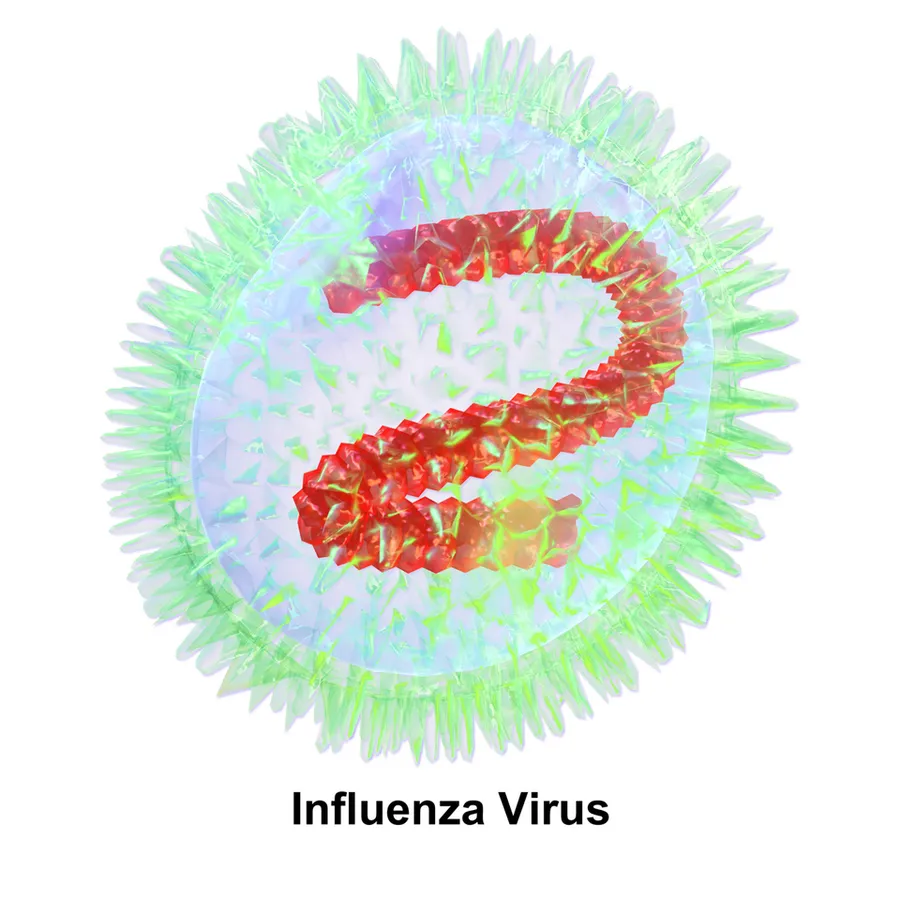

What causes the flu?
The flu is caused by flu viruses that spread from person to person. When someone with the flu coughs, sneezes, or talks, they spray tiny droplets. These droplets can land in the mouths or noses of people who are nearby. Less often, a person may get flu by touching a surface or object that has flu virus on it and then touching their own mouth, nose, or possibly their eyes.
What are the symptoms of the flu?
Symptoms of the flu come on suddenly and may include:
- Fever or feeling feverish/chills
- Cough
- Sore throat
- Runny or stuffy nose
- Muscle or body aches
- Headaches
- Fatigue (tiredness)
Some people may also have vomiting and diarrhea. This is more common in children.
Sometimes people have trouble figuring out whether they have a cold or the flu. There are differences between them:
Sometimes people say that they have a "flu" when they really have something else. For example, "stomach flu" isn't the flu; it's gastroenteritis.
What other problems can the flu cause?
Some people who get the flu will develop complications. Some of these complications can be serious or even life-threatening. They include:
- Bronchitis
- Ear infection
- Sinus infection
- Pneumonia
- Inflammation of the heart (myocarditis), brain (encephalitis), or muscle tissues (myositis, rhabdomyolysis)
The flu also can make chronic health problems worse. For example, people with asthma may have asthma attacks while they have flu.
Certain people are more likely to have complications from the flu, including:
- Adults 65 and older
- Pregnant women
- Children younger than 5
- People with certain chronic health conditions, such as asthma, diabetes, and heart disease
How is the flu diagnosed?
To diagnose the flu, health care providers will first do a medical history and ask about your symptoms. There are several tests for the flu. For the tests, your provider will swipe the inside of your nose or the back of your throat with a swab. Then the swab will be tested for the flu virus.
Some tests are quick and give results in 15-20 minutes. But these tests are not as accurate as other flu tests. These other tests can give you the results in one hour or several hours.
What are the treatments for the flu?
Most people with the flu recover on their own without medical care. People with mild cases of the flu should stay home and avoid contact with others, except to get medical care.
But if you have symptoms of flu and are in a high risk group or are very sick or worried about your illness, contact your health care provider. You might need antiviral medicines to treat your flu. Antiviral medicines can make the illness milder and shorten the time you are sick. They also can prevent serious flu complications. They usually work best when you start taking them within 2 days of getting sick.
Can the flu be prevented?
The best way to prevent the flu is to get a flu vaccine every year. But it's also important to have good health habits like covering your cough and washing your hands often. This can help stop the spread of germs and prevent the flu.
Centers for Disease Control and Prevention
References
- Flu — MedlinePlus, U.S. National Library of MedicineSource: MedlinePlus, National Library of Medicine Public domain (U.S. government work). Retrieved 2026-10-19.
Text above is quoted from the listed sources without changes to its meaning. Image credits and licences are shown with each image. Educational information only, not medical advice.
Related conditions
Educational overview, not medical advice. Treatment varies by person and location. Consult a qualified health professional for diagnosis or care. Content and model notes · Privacy information